Somewhere in a hotel conference room – probably in New York or Paris, probably in a year that isn't quite this one yet – a small group of colour specialists is deciding what shade you will be wearing next autumn. You have no vote. You weren't invited. And by the time you pick up that dusty-rose blouse in Zara and think "oh, that's lovely", the decision is so old it's practically vintage.
This is how fashion colour actually works, and once you see the pipeline, you cannot unsee it.
Who decides fashion colours each season?
The bodies responsible include the Pantone Color Institute and various European colour forecasting agencies, who convene roughly eighteen months to two years ahead of a retail season. Their job is to agree on a palette – the greens, the rusts, the particular shade of blue that will feel, to you, like it just sort of arrived. These meetings pull together designers, trend analysts, retail buyers, even economists reading consumer mood. The output is a set of swatch cards and forecasts that get distributed to the top of the supply chain.
And that top of the supply chain is a long, long way from your wardrobe.
First Stop: the Mills
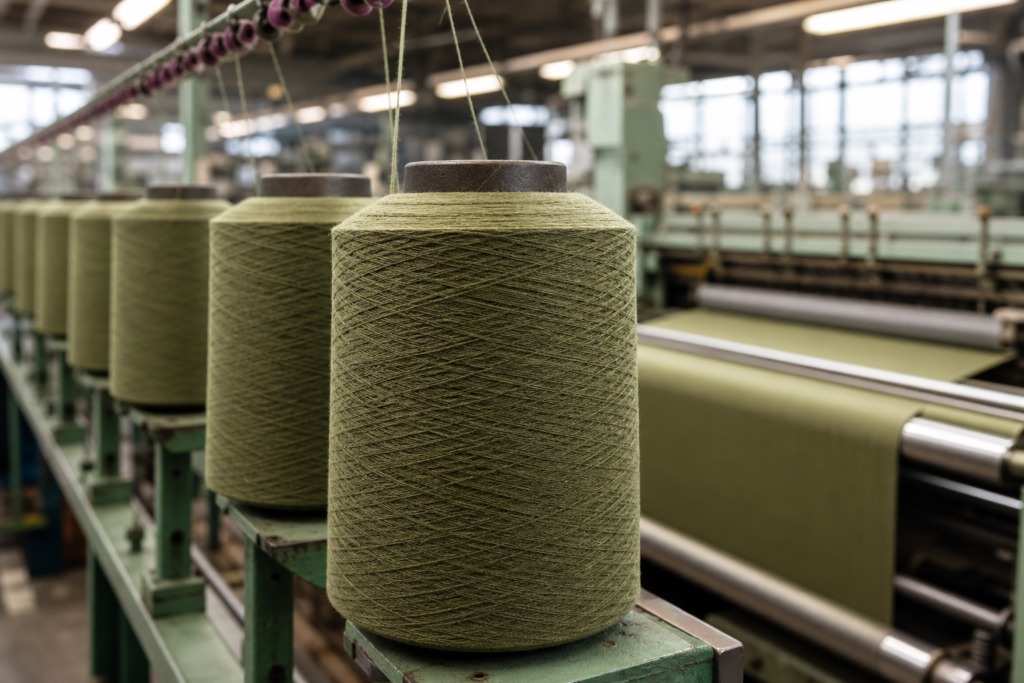
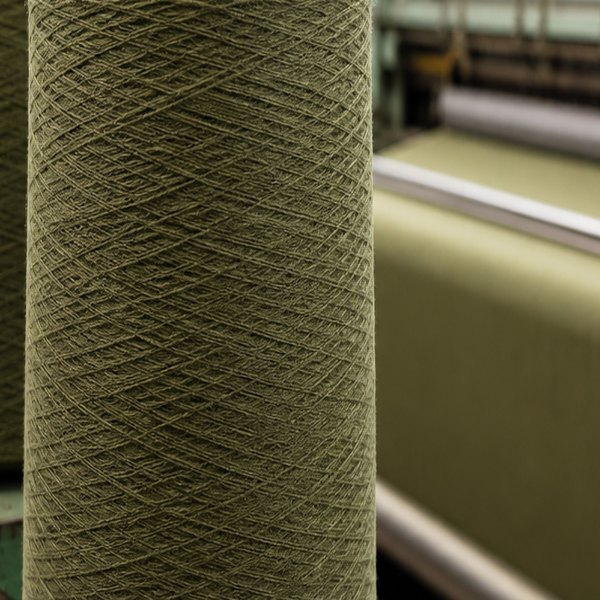
The first stop is the yarn spinners and fabric mills, who need the earliest warning because dyeing fibre at industrial scale is not like nipping out for a tin of paint. Mills are often operating on twelve-month production cycles. If a mill in Italy is going to produce a fabric in "Mossy Stone" – which is a real Pantone forecasting name, and yes it looks exactly like it sounds – they need to be ordering the right dye batches, adjusting their looms, and booking capacity well ahead of any designer draping it over a model. This is why the whole system has to be a kind of industrial prophecy. It's less "what do people feel like wearing?" and more "what do we have to decide to make in enough quantity that people will have the option of wearing it at all?"
Then the Buyers
From the mills, the colour moves to the clothing brands and their buyers. Buyers at the big high-street chains – your Marks & Spencers, your Riverislands – attend trade fairs and receive the forecasting intelligence, then commission their own ranges in those approved directions, roughly twelve to eighteen months before the thing appears in a shop. They are not slavishly copying a single Pantone chip; they are interpreting a family of tones that have already been validated by the upstream supply chain making them financially viable to produce.
By the time a colour reaches a mid-range retailer, the only options that exist in bulk are the ones the pipeline decided to make. A buyer cannot suddenly commission ten thousand metres of a shade that no mill chose to dye that season. There simply isn't the fabric. So the "trends" you browse in early spring are not a cultural response to the current moment – they are the physical result of industrial decisions made back when you were probably still in last year's coat.
There's a fantastic analogy in the way engineers order parts (it comes up in an entirely different context over at The Car That Thinks in Oil, but the underlying logic – commit early or you have no material to work with – is the same). A dye house cannot improvise a seasonal palette any more than a manufacturer can improvise a component. Everything is committed, specced, and locked before the public has any idea what it wants.
What This Means for You
What this means for you, practically, is small but interesting: the sensation that "this colour is suddenly everywhere" is real, and it was engineered. The omnipresence of sage green one year, terracotta the next – that's not thirty designers independently channelling the same cultural vibe. It's thirty designers working from variations on the same upstream forecast, buying into the same dye-house runs, for the simple reason that those are the fabrics that exist.
None of which means the clothes aren't nice, or that you're a passive victim of a shadowy colour cartel. You still choose what you like. It's just that what you like has been quietly, carefully, two-years-in-advance arranged to be the thing that's there to like.
Questions this raises
- How far ahead are colours chosen?
- What is a colour forecasting agency?
- Can consumers influence colour trends?