September lands and so does the first email. It looks like news, it reads like news, but buried in paragraph three – between the safeguarding update and a note about the harvest festival – is a request for a "voluntary contribution" of £30 towards classroom resources. Voluntary. There is probably even a tick-box to confirm you understand it is entirely optional. The box exists, the word exists. Both are doing a lot of heavy lifting.
Are school voluntary contributions actually optional?
This is the quiet parallel economy of the British state school, and it runs on good manners. Nobody charges you. Nobody invoices you. Things are simply requested, suggested, expected – and the system depends entirely on you being too polite to ask what happens if you decline.
Uniform Is Where It Gets Brazen
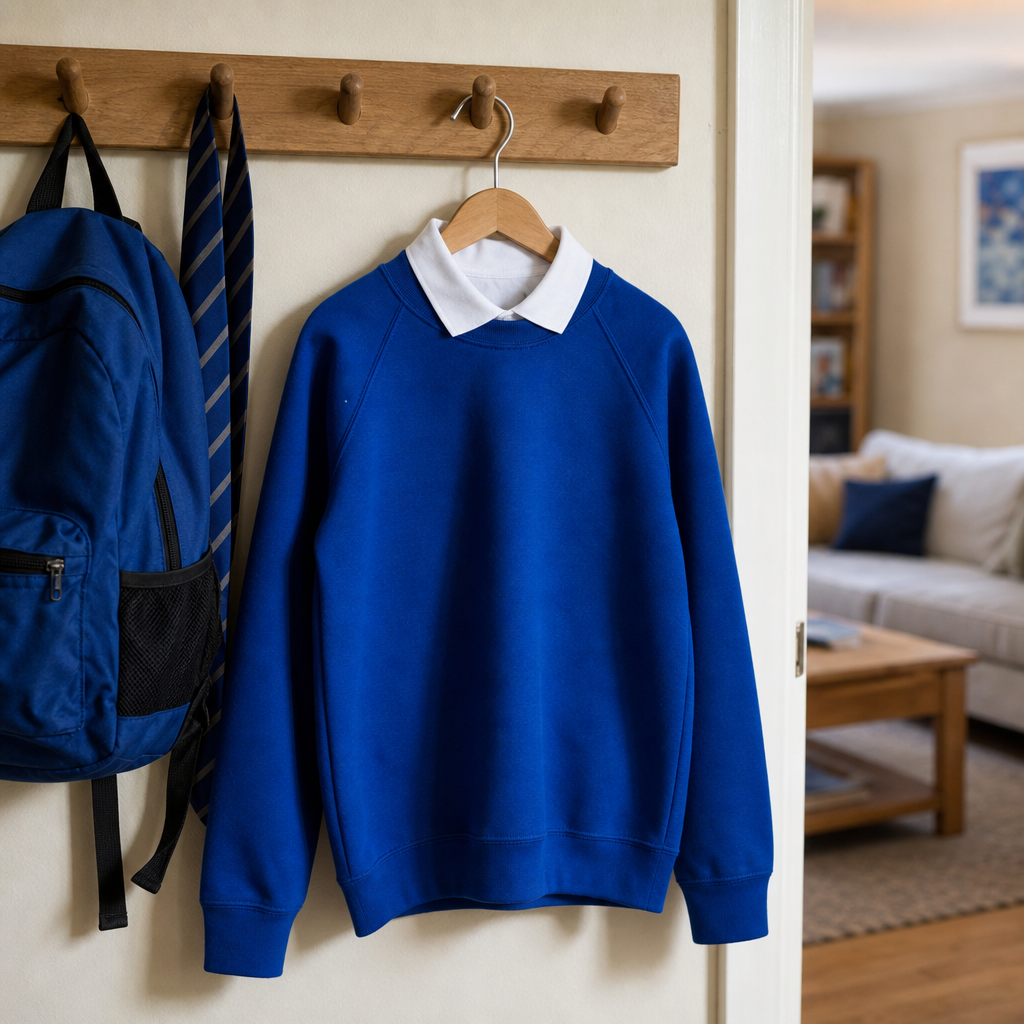
The uniform is where it gets most brazen. Schools are technically required to keep uniform costs "reasonable" and avoid pointing parents at a single supplier. In practice, though, the shade of royal blue on the sweatshirt is specific enough that only one website sells it, charging £22 per item. There is a generic alternative on the high street for £6, but it is a slightly different blue, and nobody will tell you officially that it is wrong, and your child will be the only one wearing it. That is how a guideline becomes a rule without ever being written down as one.
Then the Trip Letters Arrive
October brings the school trip letter. Day trips usually cost somewhere between £8 and £25. Residential trips – the kind that the curriculum practically treats as compulsory, the ones where friendships get made and school lore gets built – run anywhere from £150 to £450 for a week. Again, voluntary. Again, with a quiet note about hardship funds, which most parents feel too self-conscious to apply for.
By December you have probably also been asked for a £1 coin for the Christmas jumper day, a raffle prize "if you'd like to contribute," ingredients for the cookery unit, a named water bottle in a specific size, a reading folder (laminated, A4), and a donation to the school fund. Each item is a rounding error. Together, across a full year, they add up to somewhere between £150 and £800 depending on the school and the year group, before you factor in the uniform itself.
Why Schools Run It This Way
The reason schools run this way is not cynical, exactly. They are genuinely underfunded and the contribution model genuinely keeps things going. Art supplies, visiting authors, the good playground equipment – much of it exists because parents paid voluntarily into a fiction of free. The school cannot say this plainly because to say it plainly would be to admit the state settlement is inadequate. So the newsletter stays cheerful and the word "voluntary" keeps appearing and everyone performs their part.
For a wider look at the strange history of what things actually cost – including one colour that once bankrupted serious men – see The Colour That Cost More Than Gold.
The politest con is the one where neither side officially admits it is happening. British state schooling has been running that particular trick for decades, and it works because schools need it to work, parents largely want it to work, and nobody gains anything by saying it out loud.
Questions this raises
- What can a state school legally charge for?
- What happens if you decline to pay?
- Which school costs are compulsory?