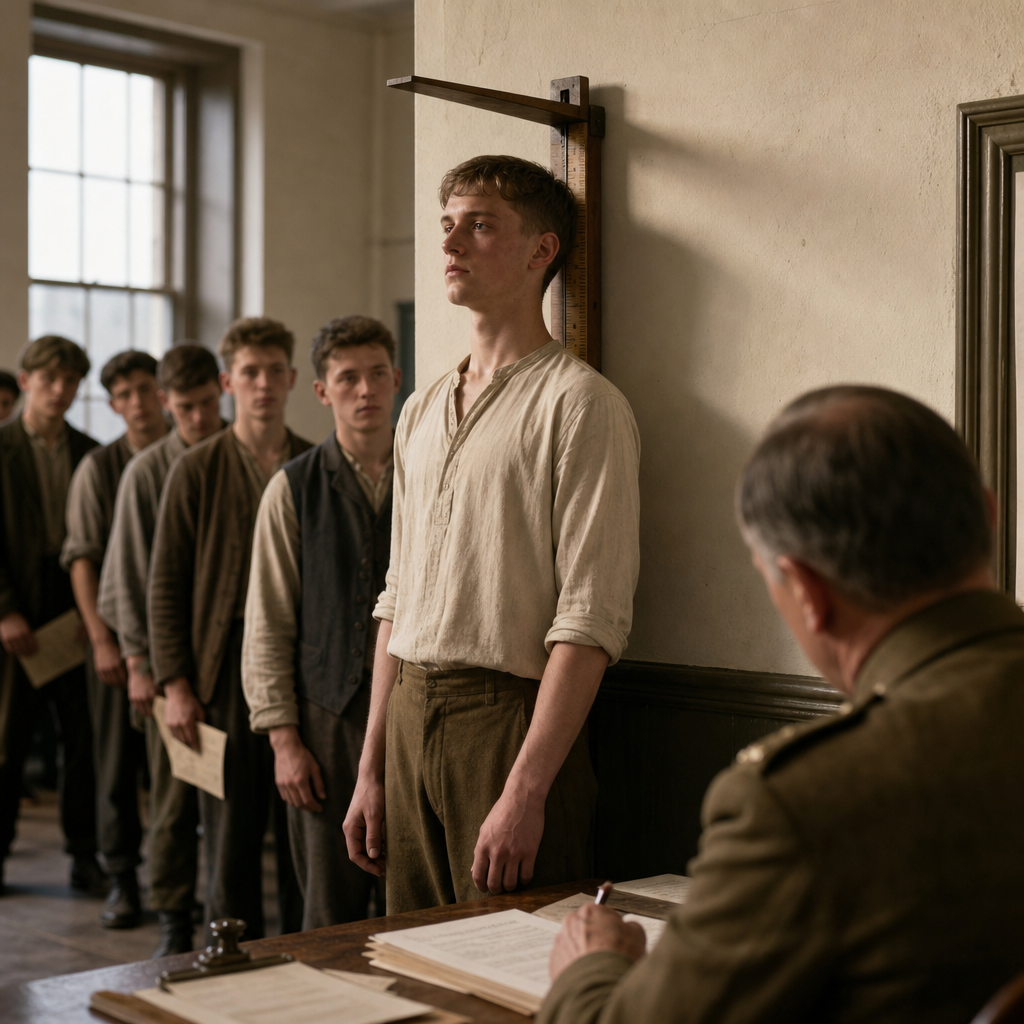
In 1899, Britain went to war in South Africa and got a nasty shock. Not on the battlefield, not immediately anyway, but in the recruitment offices. A staggering number of young working-class men who showed up to enlist were turned away – too short, too light, too weakened by years of inadequate food to carry a rifle across the veld. Depending on which region they came from, rejection rates ran into the forties and fifties percent. The army wasn't being picky. These men simply weren't physically capable.
When did school meals begin in Britain?
That scandal didn't produce a welfare policy. It produced a military one. The Interdepartmental Committee on Physical Deterioration reported back in 1904, and its findings were blunt: Britain was producing undernourished children and expecting them to become soldiers. The 1906 Education (Provision of Meals) Act followed, giving local authorities the power to feed schoolchildren. Not the duty. The power. Funding was patchy, uptake was chaotic, and the whole thing was driven less by concern for children than by concern for the next war's infantry.
Which is a slightly unsettling way to introduce your kid's Tuesday pasta bake, but there it is.
Lurching Forward Under Competing Pressures
The school meal has been lurching forward under competing pressures ever since – austerity thinned it out, Jamie Oliver made television out of rescuing it in 2005, and the pandemic briefly made it famous again when Marcus Rashford turned free school meal vouchers into a national argument about what the state actually owes a hungry child. Each time the meal lands back in the news, the same tension surfaces: is this a welfare measure? A health policy? A military legacy? Or just a thing schools have to do cheaply?
Who Gets a Free Meal Now
What it is, practically speaking, is this. In England, universal free school meals currently run to primary school children in reception through to Year 2. After that, eligibility narrows sharply: your household income must fall below £7,400 a year (excluding benefits), or you must be receiving certain qualifying benefits including Universal Credit. Many families miss out simply because they assumed they wouldn't be eligible or found the form off-putting – so if you're unsure whether your child qualifies, check with the school directly.
For families who do pay, a school lunch currently costs somewhere between £2.50 and £3.00 in most state primaries. That sounds reasonable until you realise it has to cover cooking, staffing, ingredients, and the nutritional standards set by the School Food Standards regulations, which specify everything from the number of fruit and vegetable portions down to the maximum frequency of fried food per week.
For a budget-conscious read on what families are actually spending and where the slack is, The World Was a Paint Factory Before We Built Our Own is worth a wander.
How did war shape education policy?
The peculiar thing is that a meal designed in the shadow of a colonial war has ended up being one of the most nutritionally regulated meals most children eat all week. The soldier-factory logic is long gone, but the structure it forced into existence is still feeding children whose parents might otherwise struggle. Not a happy origin story, but it turned into something worth keeping.
Questions this raises
- Why did Boer War recruitment expose child malnutrition?
- What reforms followed the 1899 findings?