Picture a Victorian factory worker on a rare Sunday afternoon off. He has a few hours and no instructions. This, to his employers and his local magistrate and possibly his vicar, was a genuine emergency.
Why were workers encouraged into ‘improving’ pastimes?
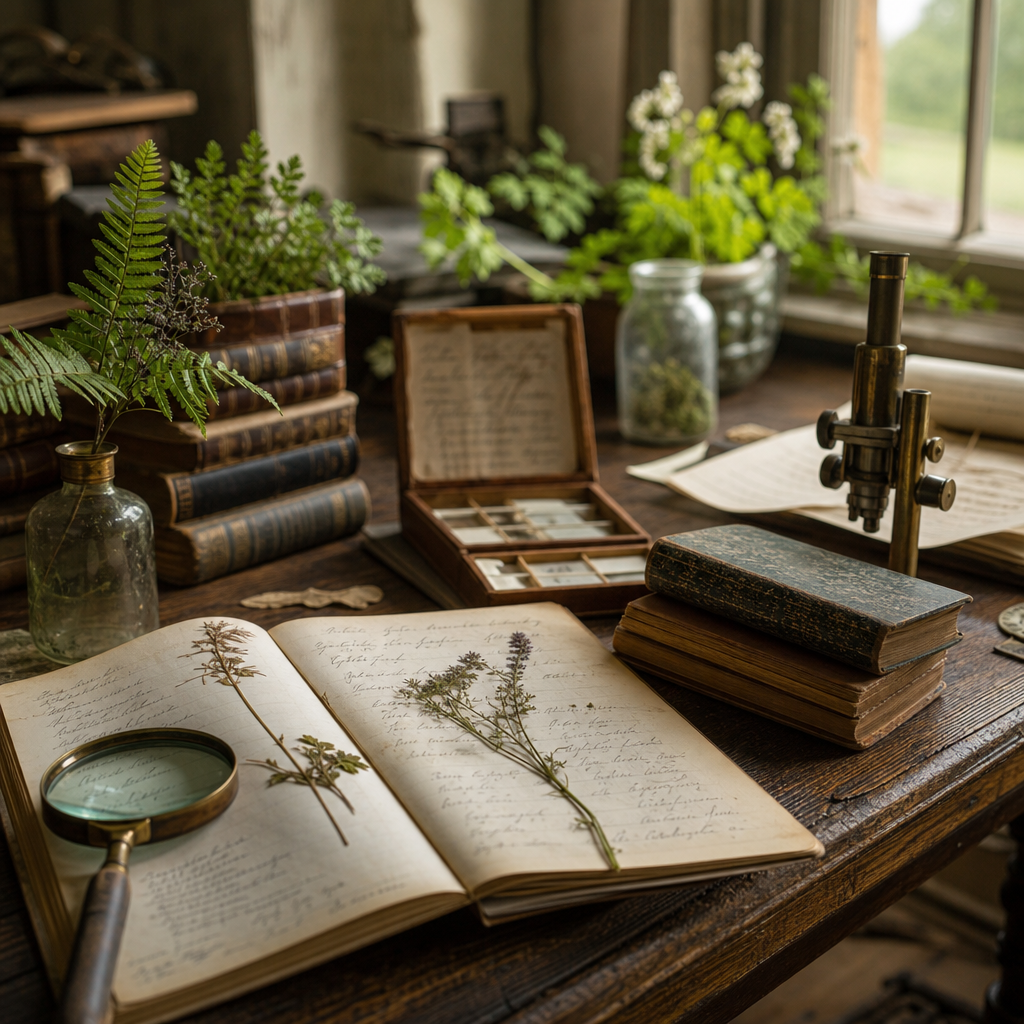
The Victorians were not against leisure exactly. They were against *unsupervised* leisure, which they understood, not entirely wrongly, as the seedbed of collective thinking, rowdiness, and the sort of conversations that ended with someone mentioning wages. The solution was elegant: make certain hobbies respectable, and let respectability do the policing. Botany was ideal – a man alone in a field with a notebook, categorising things that could not answer back, was a man being quietly trained in patience, hierarchy, and the virtue of knowing your place in a fixed natural order. Beekeeping worked similarly. The hive, after all, is a model of contented labour under an unquestioned queen.
Group Hobbies Were Another Matter
Group hobbies were another matter entirely. Anything that gathered working men in a room, made noise, involved improvisation, or required no expert to validate your progress was treated with deep suspicion. Singing in formal choirs: permitted, because it required a conductor. Singing informally in pubs: a problem. Music halls, skittles, certain card games – these didn't just waste time. They created horizontal bonds between people, the kind that ran along the street rather than up the social ladder.
What Got Handed Down as Natural
What got handed down as the "natural" leisure activities of respectable folk were mostly the ones that had been quietly filtered and approved. The hobbies we think of as timeless and personal, as just the sort of thing we happened to enjoy, often have a much more managed history than that. This is the argument running through The Syllabus Is a Political Document and Always Has Been, and it applies just as neatly to free time as it does to classrooms.
The interesting thing isn't that this happened. The interesting thing is how invisible it became – nobody presents you with botany as a morally improving solitary pursuit these days. It's just gardening, it's just birdwatching, it's just the sort of thing you find you enjoy. Meanwhile, the suspicion of noisy communal leisure never entirely went away; it just dressed up differently. The idea that hobbies should be productive, self-improving, ideally monetisable, is a very Victorian idea wearing contemporary clothes.
Are modern hobbies still shaped by that idea?
None of this means you should feel bad about your sourdough starter or your allotment. But notice that the hobbies most easily called "wholesome" tend to be the solitary, quiet, categorising ones – and that this didn't happen by accident. Someone, a few generations back, worked quite hard to make it feel that way. Your leisure time was curated before you were born. The hobby felt personal. It was supposed to.
Questions this raises
- Why did organised hobbies appear in the Victorian era?
- Who decided what leisure should look like?