There's a particular kind of smugness that attaches itself to the wellness-conscious person. The meal prep. The Park Run. The deliberate choice to "listen to your body". It all feels intensely personal – a project of self-determination, something you arrived at yourself through a combination of curiosity and good sense. Except you didn't, really. The whole framework, the idea that how you eat and move is something worth thinking about at all, was handed to you by an Edwardian government that needed more usable soldiers.
The Boer War Shock
In 1899, Britain sent men off to fight in the Boer War in South Africa and discovered, to its considerable embarrassment, that an alarming number of them weren't fit to go. Recruits were being turned away in droves: too short, too thin, bad teeth, bad lungs, generally falling apart before they'd set foot on a ship. Some estimates at the time put the rejection rate in certain cities at around a third of all volunteers. The army wasn't being fussy. These men were simply not serviceable.
Panic Produces Committees
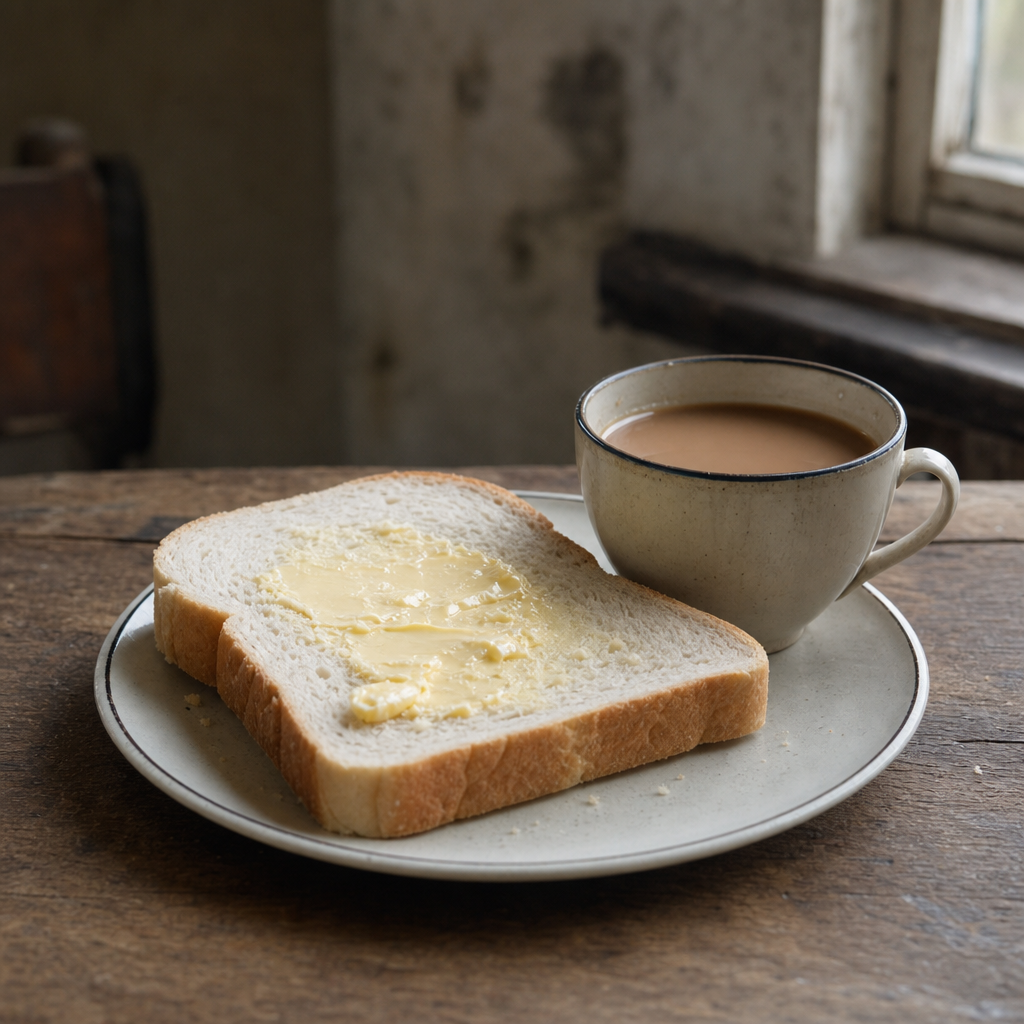
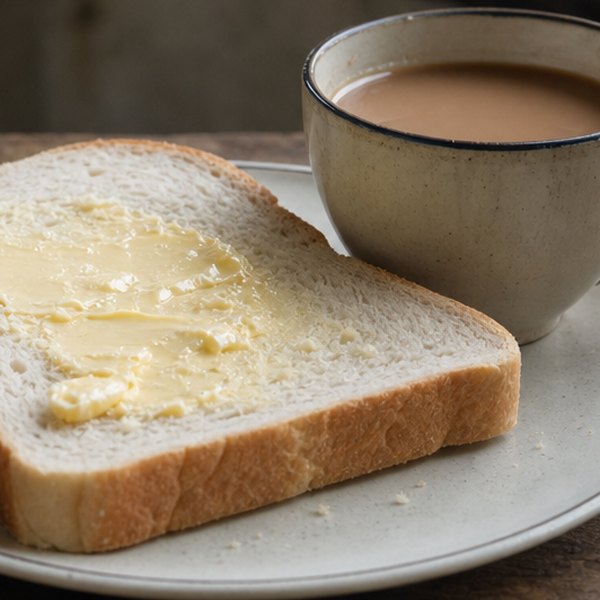
This caused the kind of political panic that produces committees. And committees produce reports. The Inter-Departmental Committee on Physical Deterioration, which sat in 1904, set about answering what sounds like a scientific question but was really a governmental one: what on earth are the British poor actually eating and doing with themselves? The answer, when it came back, was grim. Cheap white bread, margarine, a bit of tea. Minimal fresh food. Children going to school without having eaten, bodies raised on almost nothing and worked hard regardless.
Not Tenderness, Logistics
The government's response wasn't born from any particular tenderness toward its citizens. It was a practical calculation: a nation needs fighting men, fighting men need functional bodies, functional bodies need feeding. So came the Education (Provision of Meals) Act 1906, which allowed local authorities to provide school meals. Shortly after, compulsory physical exercise in schools. Then the first tentative health visitors. None of this was about your flourishing. It was about producing a population capable of military and industrial use.
You can find more of this strange, largely buried history at The Army Rejected the Boys First. Then the Government Noticed the Food.
Where did modern wellness culture come from?
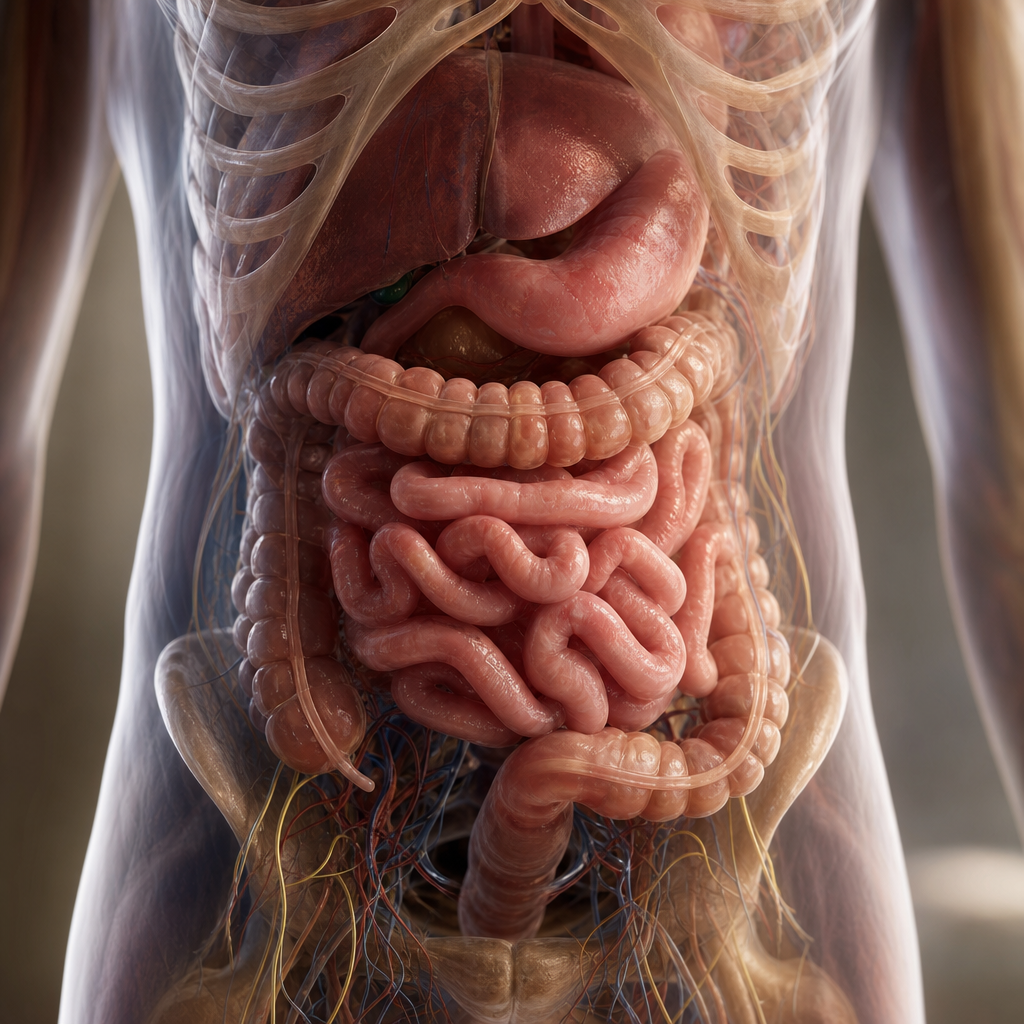
What's odd to sit with is how completely this origin story has been forgotten inside the culture it created. Everything we now call "lifestyle" – the attention to nutrition, the structured exercise, the general sense that your body is a thing to be maintained rather than simply inhabited – traces back not to ancient wisdom or individual aspiration, but to a late Victorian army recruitment crisis and the administrative panic it caused.
The personal is political, sure. But in this case, it turns out the personal was also logistical. The next time you feel virtuous eating lunch, you're not just listening to your body. You're the product of a century-old government programme that needed you to be more useful.
Questions this raises
- Is wellness advice evidence-based?
- Why do wellness trends repeat?
- How do you tell useful health advice from marketing?