
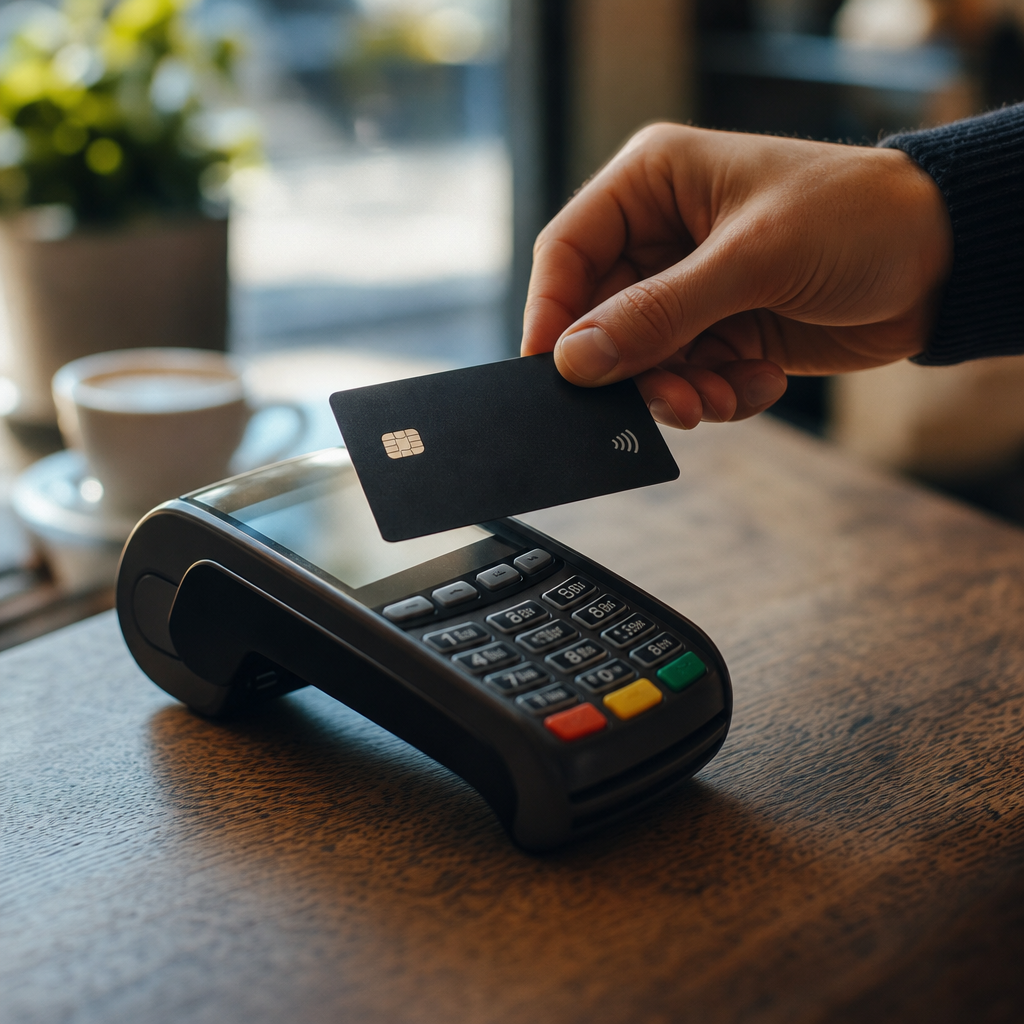
Nobody sits down to explain themselves. Not really. You'd edit too much, leave out the embarrassing bits, frame the rest in the most flattering light available. But your bank statement? That thing has no such loyalty to you. It just records everything – every flinch, every small reward, every thing you told yourself you'd deal with later. It's all in there, in black and white, sorted by date.
Behavioural economists have spent decades watching what people do with money, and what they found is less about finance than it is about character. The patterns that show up in spending data are not random. They're portraits.
The Sunday Evening Spike
Take Sunday evening. There's a curious spike in certain kinds of purchases late on a Sunday – takeaways, wine, something from a shop you didn't need to open. It's not random hunger or thirst. Sunday evening is when the coming week presses down on people, and the spending is the response to that pressure. The money isn't buying food. It's buying a short ceasefire.
The Treat After a Hard Week
Or the treat that appears a day or two after a difficult week. Not a planned treat. Just suddenly: a jacket, a gadget, a facial, something that wasn't on any list. The thinking behind it (if you could call it thinking) is a sort of emotional accounting – *I've been put through a lot, so I am owed this.* The logic is entirely internal, entirely human, and it shows up in the data like a fingerprint.
Subscriptions Are Where It Gets Psychological
Then there are the subscriptions. This is where bank statements get genuinely psychological. The average British household is paying for somewhere between six and twelve subscription services at any given point, and a fair chunk of those haven't been opened in months. The interesting question isn't why people sign up. It's why they don't cancel. And the answer, when behavioural researchers have looked at it, is simple: cancelling feels like a kind of admission. That you're not the person who reads widely, who exercises at home, who cooks from scratch. The subscription is keeping a version of yourself alive that the actual spending data suggests you quietly stopped being some time ago.
This is what makes a bank statement unlike a diary or a mood board or even a conversation. It doesn't record what you meant to do, or intended to be, or hoped would happen. It records the decisions that actually got made, in the actual moments they got made. For a useful look at how tracking this sort of thing changes the way people think about money, The Tool That's Quietly Rewiring You From the Inside is well worth your time.
What does a bank statement reveal about you?
The strange thing is that reading your own statement back – not to budget, just to look – works a bit like therapy. You start seeing the shape of your anxious weeks, your reward patterns, the places where your self-image is still buying something your habits gave up on. It's not comfortable, exactly. But it's honest. Which is more than you'd usually get from yourself.
Questions this raises
- Can spending data predict behaviour?
- Who can legally see your transaction history?
- How is spending data used commercially?