Somewhere in the Lake District, a shepherd in the 1850s decided the best way to settle an argument was to race down a mountain. No starting gun, no lane markings, no entry fee. Just a steep fell, a pair of legs, and the kind of competitive instinct that apparently flourishes when you spend all day alone with sheep.
Where did fell running start?
That, more or less, is where fell running comes from. The agricultural shows of Victorian Britain – Grasmere, Ambleside, Burnsall – would stick a footrace up and down the nearest hill onto the programme somewhere between the sheepdog trials and the prize livestock. Winners got a small purse, enormous bragging rights, and probably a free pie. It was so informal it barely qualified as organised sport. Which is precisely why, a hundred and fifty years later, it remains the cheapest serious sport you can do in this country.
What equipment do fell runners need?
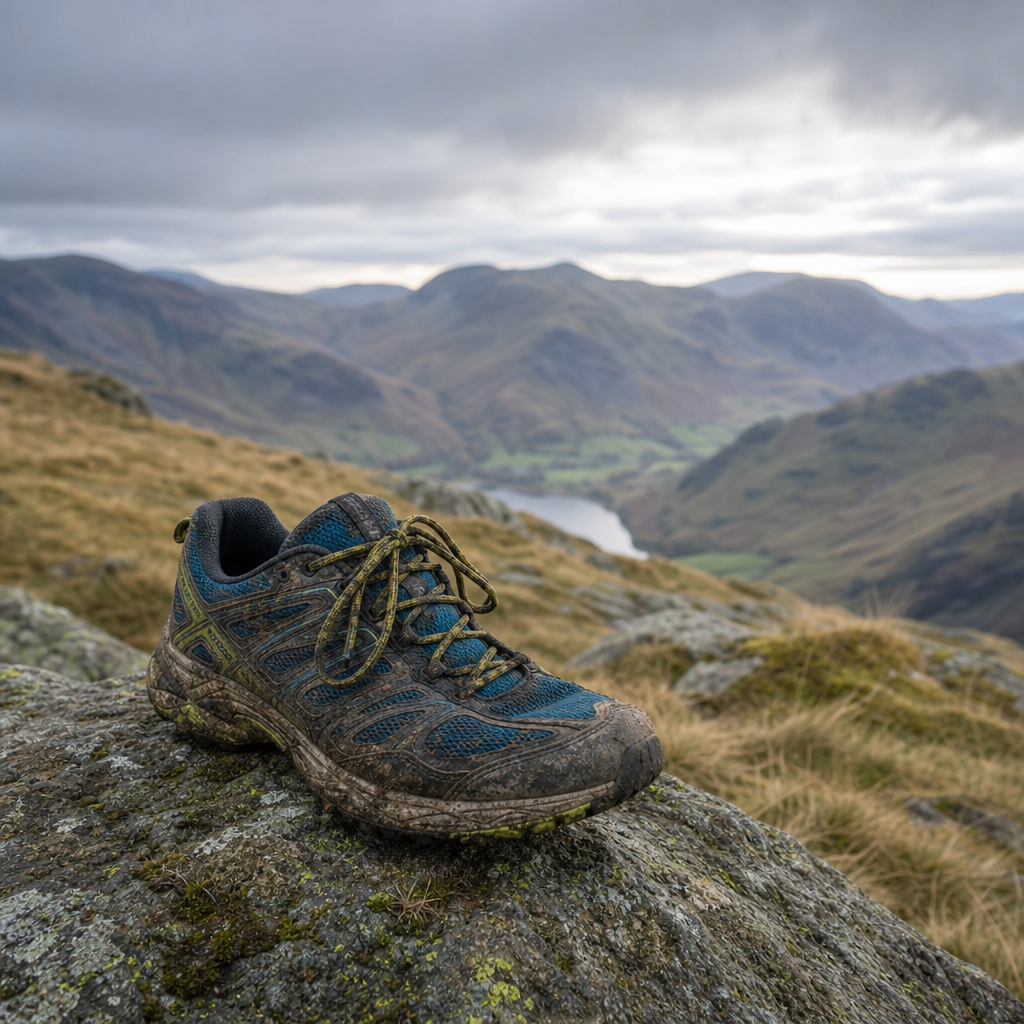
Think about what most sports cost you before you've done a single minute of them. A tennis club membership runs to several hundred pounds a year. A decent road bike costs more than most people's first car. Even five-a-side football, which is essentially a car park and some jumpers for goalposts, now involves a booking system, an app, and a fee. Fell running asks for one thing: a pair of trail shoes. Old ones are fine. Most people start in whatever they already own. Then you find a hill. That's it.
It Did Get Formalised, Eventually
The sport did get formalised eventually. The Fell Runners Association was established in 1970, races got categories and records, and there's now a proper calendar of events across the year. Entry fees for a typical race sit somewhere between free and fifteen pounds, which by the economics of modern sport is practically a rounding error. No courts to hire, no pitches to book, no specialist facilities of any kind. The infrastructure is geology. The mountains were already there.
How It Resisted the Commercial Pull
What's remarkable is how firmly fell running has resisted the commercial gravity that absorbed almost every other sport it grew up alongside. No televised sponsorship deals. No premium kit culture. No training subscriptions. The magazines exist but you don't need them. The elite community is small and slightly eccentric and would rather talk about a particular boggy descent than about brand partnerships.
That stubbornness feels directly inherited from the shepherds. A sport that started as a bet between people who didn't have money never developed the mechanisms for taking yours. It just became a competitive tradition and stayed one. For a broader look at the cultural habits that quietly shape how we spend, The Dream We All Agreed to Keep Having is worth your time.
The practical reality now is stark. You can enter a local fell race for the price of a coffee, run an entirely legitimate season on last year's shoes, and join a club – if you even want to – for somewhere around twenty to forty pounds annually. Compare that to pretty much anything else with a race calendar attached to it and the numbers get embarrassing.
The shepherds weren't trying to invent the cheapest sport in Britain. They were just settling an argument about who was fastest down a hill. It turned out that was enough.
Questions this raises
- How do fell races differ from road races?
- Are fell running records official?