
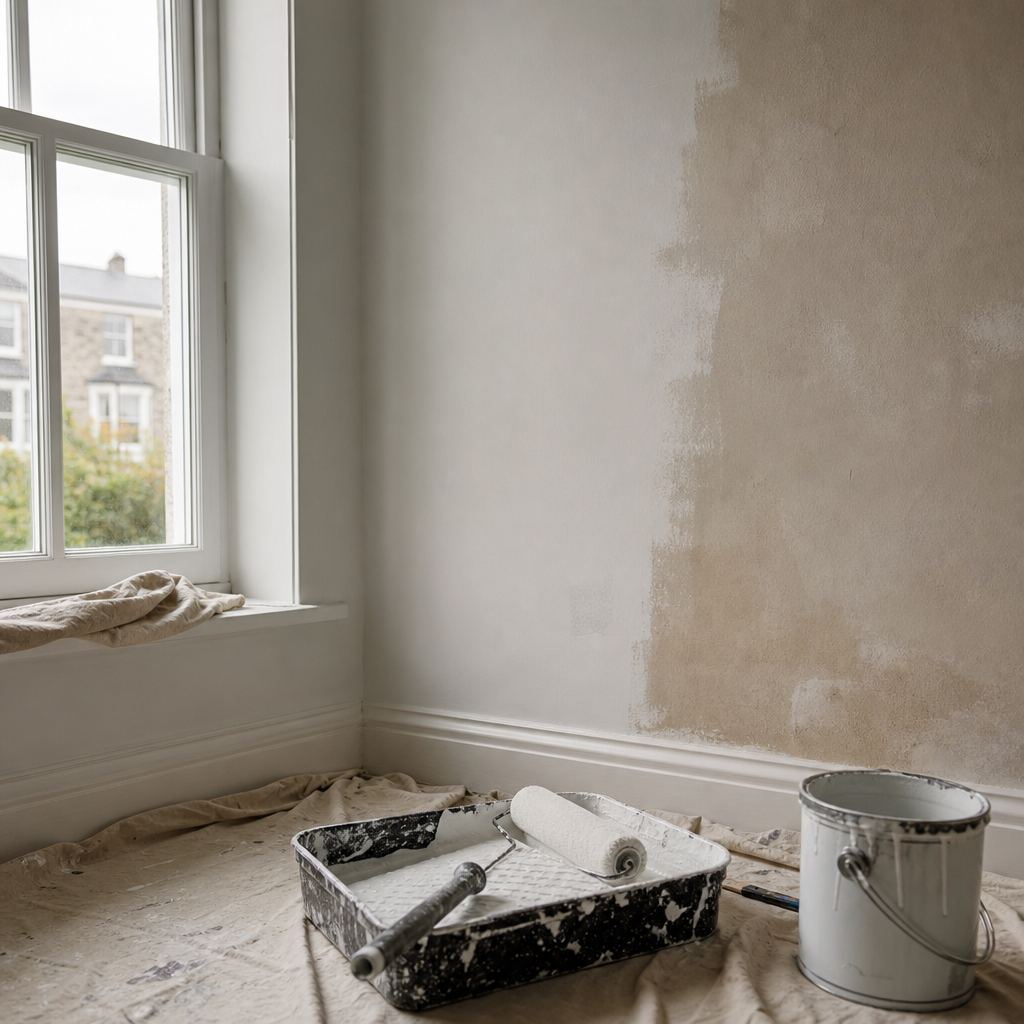
Two decorators. Same room. Same walls. Same ceiling height. One quotes £650, the other £1,050. You stare at both pieces of paper like one of them must contain a typo.
Neither does. What they contain, instead, is each decorator's private prediction of how much of a headache you are about to be.
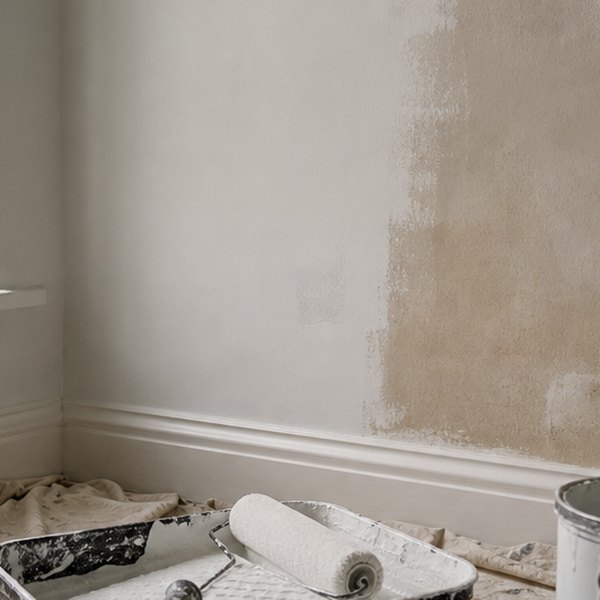
Why do decorating quotes vary so widely?
This is the thing nobody mentioned when they tell you to "get three quotes". The materials are almost identical across all of them – a decent trade emulsion runs between £20 and £35 for five litres and you can all read a label. Labour rates vary by region, sure. But not by 40%. What actually swings a quote is something much harder to price: disruption. Yours, theirs, and the room's.
What should a painting quote include?
Start with prep, because prep is most of the job. A decorator who's been at it for any length of time knows that the painting is the easy bit. Filling hairline cracks, sanding back flaky patches, laying dust sheets that actually stay put, applying a coat of primer to bare or patchy plaster so the topcoat doesn't sink in unevenly – all of that can take longer than the painting itself. And a cheaper quote almost always signals that somebody is quietly skipping chunks of it. The primer coat especially. It doesn't photograph well, it doesn't look dramatic, and the client never asks about it. So sometimes it just doesn't happen. You notice three years later when the paint starts doing something peculiar near the window.
Then Cutting In
Then there's "cutting in" – the careful brushwork along every edge where a roller can't go, the ceiling-wall junction, the architrave, around the sockets, beside the skirting. A professional will cut in by hand before they ever pick up a roller, and it takes a long time, particularly if the lines are awkward or the existing paintwork is a different finish. Rolling the wide flat bits is genuinely fast. The cutting is not. A quote from someone factoring this in properly will look more expensive than one that pretends rollers cover everything.
The Biggest Variable Is You
But the biggest variable of all is the one you brought with you. Decorators will not always tell you this directly, but they talk amongst themselves, and experienced ones have developed an accurate instinct for the client who will hover, change the brief halfway through, want the sofa moved three times to check the colour in different lights, or panic about a faint smell of paint in the hallway. Every one of those things costs time. So the quote goes up. Not as a penalty exactly – more as insurance against a job that runs two days longer than it should.
Complicated access does the same thing. A room with high ceilings and an alcove needs scaffold boards or a tower. A bathroom with no space to stand costs time. Gloss woodwork, which has to be sanded back or it won't take, costs more than walls. Fussy finishes – eggshell, which shows every brush mark; specialist chalky paints that need a different primer – cost more again.
For honest advice on managing home costs more broadly, see The Reputation Economy Nobody Tells New Bloggers About.
So when you're comparing quotes, the question isn't which decorator is being greedy. It's which one has looked at your room, thought about what your room will require, and told you the truth about it. The cheaper number might be the honest one. Or it might be the one that skipped the primer in their head before they'd even left your hallway.
Questions this raises
- How do you compare two decorators fairly?
- Is the cheapest quote ever the right one?