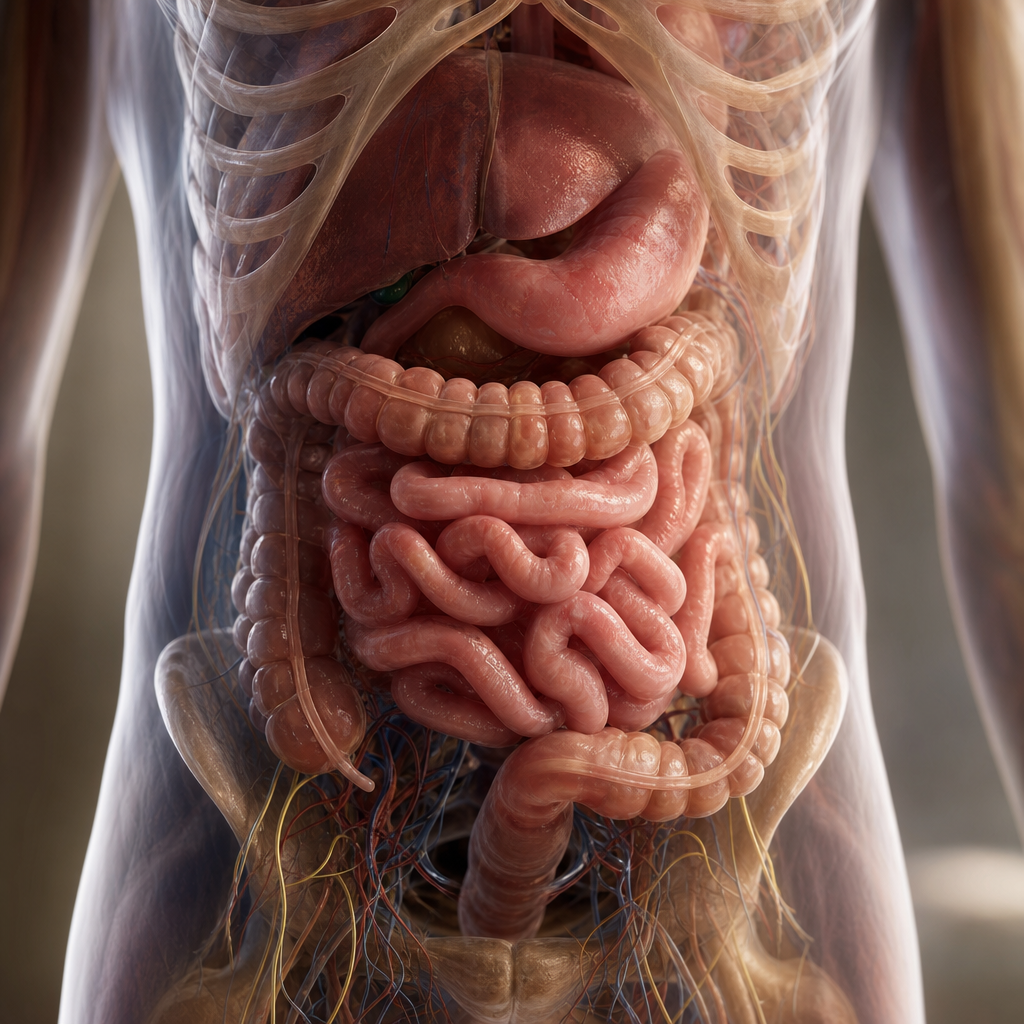
Somewhere below your stomach, a parliament is in session. It has been sitting continuously since shortly after you were born, passing legislation on your mood, your appetite, your immune system and quite possibly your willingness to eat an entire packet of biscuits at half past ten on a Tuesday. You had no say in its formation. You still don't, really. And until embarrassingly recently, science barely knew it existed.
A Hundred Trillion Residents
Your gut contains somewhere in the region of 100 trillion microbes – bacteria, fungi, viruses, archaea – collectively weighing more than your brain. That last bit tends to stop people. More than your brain. This is not a decorative colony of helpful bugs quietly breaking down your lunch. It is a system with its own chemical signalling infrastructure, its own feedback loops, and its own very firm opinions about how you should feel today.
How does gut bacteria affect your mood?
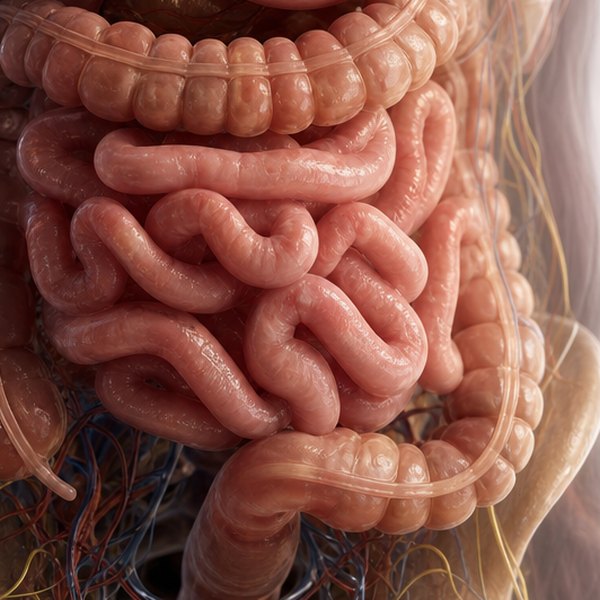
The bit that genuinely deserves more attention is the mood question. The gut produces around 90% of the body's serotonin – the neurotransmitter most people associate with happiness and the one that antidepressants are largely built around. Not the brain. The gut. Which means the parliament downstairs is drafting the mood legislation, and your brain is mostly just reading it out. The vagus nerve runs between the two like a dispatch rider, carrying signals in both directions, but the traffic is heavier going upward than most people expect. Your gut is, in a real and measurable sense, talking to your brain more than your brain is talking to it.
Where Cravings Come From
The food cravings angle is where it gets slightly unsettling. Different microbial species thrive on different foods. Certain bacteria that do well on sugar and refined carbohydrates can, through chemical signals along that same vagus nerve, nudge the host – that's you – toward eating more of what they want. Whether that fully explains the biscuit situation is not settled science, but the mechanism is real. The implications are strange. You may occasionally be a vehicle for your microbiome's dietary preferences.
For a look at how bodies manage their own hidden systems in ways that seem almost mechanical, The Car That Thinks in Oil (https://budgetblog.co.uk/auto/the-car-that-thinks-in-oil/) is a nice parallel read.
What disrupts the gut microbiome?
The composition of your gut parliament shifts constantly. With what you eat, how much sleep you get, whether you take antibiotics (which go through the microbiome like a general election that ejects most of the incumbents at once), even how much time you spend outdoors. Fermented foods like live yoghurt, kefir and kimchi introduce new members to the chamber. Fibre from vegetables and legumes feeds the ones already there. Ultra-processed food tends to hollow the whole thing out over time, leaving a much less diverse assembly – and diversity, the research strongly suggests, is where the good governance happens.
The most interesting thing about all of this is not that we have a microbiome, but that it was always there, running its parallel legislation, long before we thought to look. We just assumed the gut was a tube. Turns out it had been holding meetings the whole time.
Questions this raises
- Do probiotics actually work?
- How quickly can gut bacteria change?